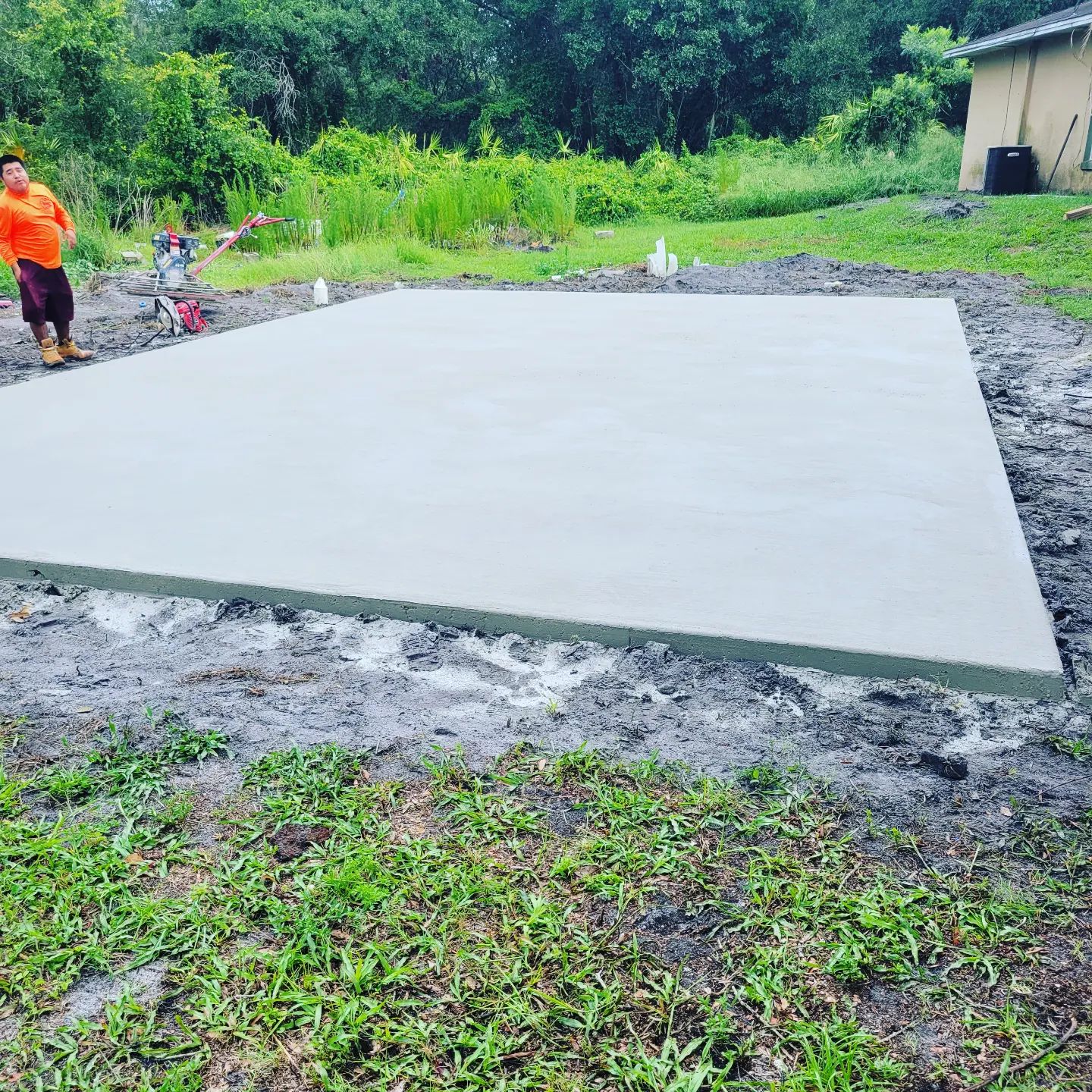
The Science of Strength: Understanding Concrete's Role in Today's Construction Apr 26, 2026
At its core, concrete is valued for its compressive strength, which allows it to withstand substantial loads without crushing. This strength is a direct result of the hydration process, where water reacts with cement at the molecular level to form a hard, stone-like substance. This makes concrete an ideal choice for critical structural components such as foundations, columns, and beams. The intrinsic strength of concrete significantly influences the durability of any project, ensuring safety and longevity.
Aside from compressive strength, the versatility of concrete cannot be overstated. It can be molded into any shape, enabling architects and engineers to explore innovative designs without compromising structural integrity. This adaptability is why concrete remains a favored material for modern construction projects, ranging from residential homes to towering skyscrapers. As a result, choosing the right concrete mix is pivotal for achieving the desired balance of strength, durability, and finish.
Moreover, the sustainability factor of concrete is gaining increasing attention in today's environmentally conscious world. Ferrer Construction is committed to eco-friendly practices, and concrete plays a role here too. Advances in concrete technology have paved the way for the use of supplementary materials like fly ash and slag, which not only reduce the carbon footprint of production but also enhance material properties such as workability and resistance to chemical attacks. This makes concrete a sustainable option for green building projects.
One must not overlook the maintenance aspect when discussing concrete's role in construction. Longevity is a key metric for any construction material, and concrete excels here. Properly cured and treated concrete structures can endure for decades with minimal upkeep, which eases long-term financial burdens associated with repairs and replacements. Ensuring regular assessments and repairs when necessary can help maintain the structural integrity and aesthetic appeal of concrete constructions.
Furthermore, innovations in concrete technology continue to broaden its applications and enhance its performance. Self-healing concrete, which uses a bacterium to close cracks automatically as they form, is one of the emerging technologies that promise to further bolster the resilience of concrete structures. Such advancements not only heighten concrete's utility but also affirm its status as a forward-thinking, adaptable material.
In conclusion, concrete is more than just a building component. It stands as a testament to human innovation and resilience, providing the backbone for most of the world’s built environments. At Ferrer Construction, we are dedicated to harnessing the latest advancements to deliver concrete solutions that meet the needs of modern construction challenges. By understanding the science behind concrete, clients can make informed decisions that guarantee the strength and success of their projects. Whether you're embarking on a large-scale development or a small home renovation, appreciating the role of concrete can guide you towards achieving structural excellence.
/filters:no_upscale()/filters:format(webp)/media/4007a096-035a-4c0c-ad33-3608c2027ea1.jpeg)