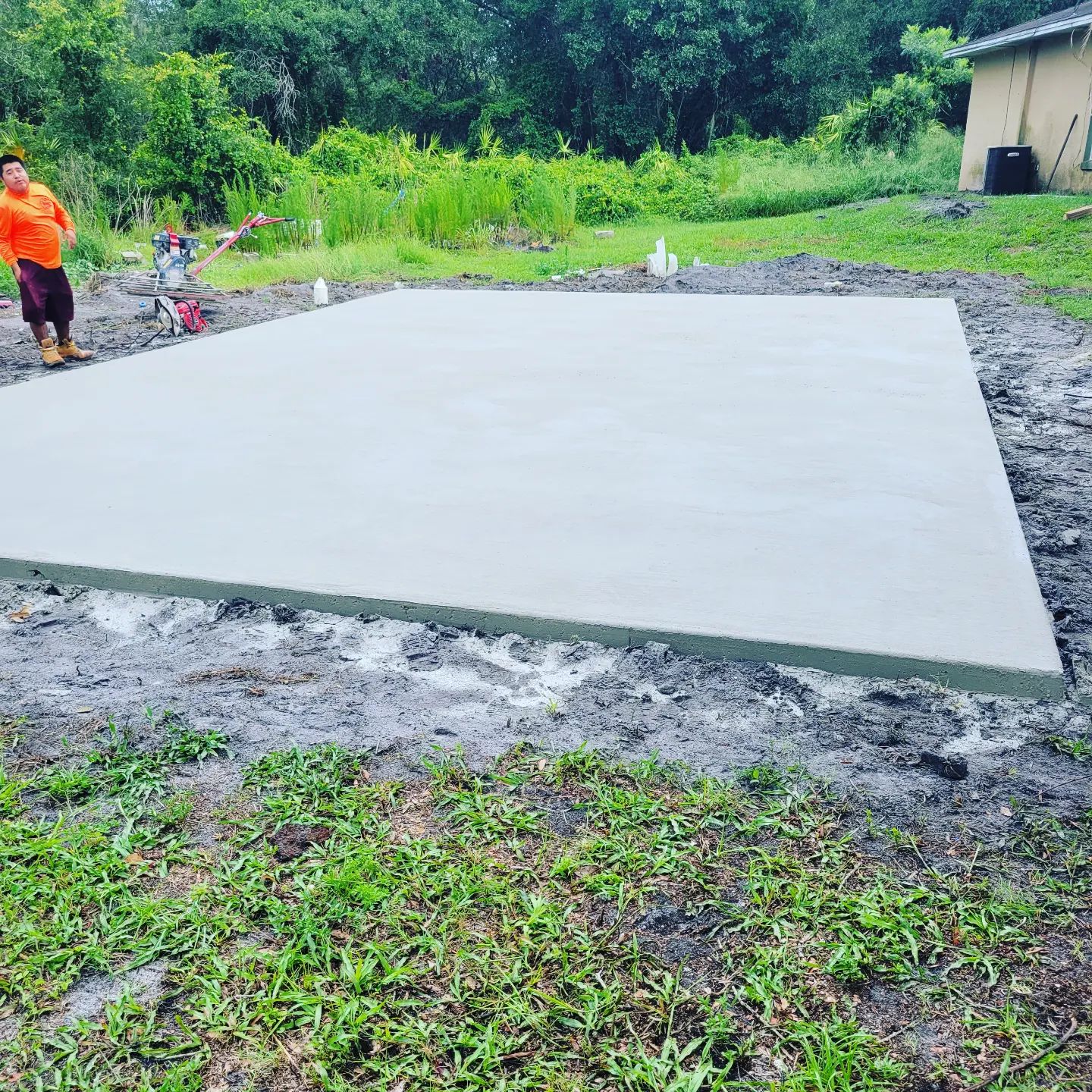
Weathering the Elements: The Enduring Strength of Concrete in Extreme Environments Feb 16, 2026
The resilience of concrete largely stems from its unique composition—a mix of aggregates, cement, and water. This blend is not only strong but also adaptable, allowing it to be tailored for specific environmental stresses. Whether it's resisting the hefty weight of infrastructure or standing firm against natural forces, concrete proves itself time and again.
One of the key factors contributing to the durability of concrete in extreme climates is its ability to withstand temperature variations. In regions with hot weather, concrete maintains its integrity remarkably well. When properly mixed and cured, it does not expand and contract as drastically as other materials might, reducing the risk of cracking. This stability is particularly beneficial in areas experiencing intense heatwaves or dramatic temperature swings, such as deserts.
Similarly, in colder climates, concrete's durability is enhanced by its freeze-thaw resistance. Ice formation can cause significant damage to many materials as water expands when frozen. However, concrete can be treated with air-entraining agents that create tiny air pockets within its structure. These pockets provide space for water to expand when frozen, thus reducing stress on the concrete itself. This characteristic is invaluable in regions where winter brings repeated cycles of freezing and thawing.
Moisture is another element against which concrete shows exceptional resilience. In humid environments, materials often suffer due to prolonged exposure to moisture, leading to deterioration and rot. Concrete, however, stands as a formidable barrier against water infiltration. Proper sealing and water-proofing techniques can further enhance its resistance, making it a top choice for coastal regions or areas with high precipitation.
Besides its natural resilience, the longevity of concrete can be significantly enhanced through appropriate maintenance. Regular inspections and timely repairs can prolong the lifespan of concrete structures, ensuring they remain safe and functional.
Furthermore, concrete plays a vital role in sustainable construction. Its thermal mass reduces the energy demand of buildings by naturally regulating temperatures. This energy efficiency not only helps in minimizing environmental impacts but also reduces costs for building occupants, reinforcing its position as an economical choice.
At Ferrer Construction, we prioritize using high-quality materials and innovative techniques to ensure that concrete not only meets the demands of today's structures but also anticipates the challenges posed by the elements. Our expertise in concrete services guarantees that your projects are not only robust but also built to last.
In conclusion, the enduring strength of concrete, especially in extreme environments, cannot be overstated. Its application can mean the difference between a structure that stands the test of time and one that succumbs to the forces of nature. With its remarkable properties and adaptability, concrete remains an indispensable choice for modern construction, offering peace of mind and value that are both undeniable and durable.
/filters:no_upscale()/filters:format(webp)/media/4007a096-035a-4c0c-ad33-3608c2027ea1.jpeg)